Your Ultimate Luxury Safari Experience
100% transparent pricing
Local Tour Operator
Sustainable & responsible safaris
Fully flexible refund & cancellation policies
A successful Tanzania trip isn’t just about where you go — it’s about how prepared you are. Climbing Mount Kilimanjaro demands physical grit and mental resilience, while a safari requires patience, focus, and the ability to stay engaged during long game drives.
This guide gives you a realistic, field-tested preparation plan for both experiences.
Before your climb, you should be able to walk 10–15 km comfortably, hike for 5–6 hours with breaks, and handle uphill terrain without exhaustion.
30–60 minute brisk walks (3–4 times per week) + light bodyweight strength training. Goal: Build consistency.
1–2 hour hikes (2–3 times per week) + one long hike (3–5 hours). Add hills and strength training (squats, lunges, core).
Long hikes (5–7 hours), back-to-back hiking days, and carry a 5–8 kg daypack. Simulate real trekking conditions.
Physical fitness gets you part of the way — mental strength gets you to the summit. Expect fatigue, cold, slow progress, and moments of doubt, especially on summit night.
Focus on one step at a time and one hour at a time. Avoid thinking about the entire climb at once.
Feeling tired or cold is normal — it is not failure.
Follow your guide’s pace, stick to acclimatization routines, and eat/hydrate even when you don’t feel like it.
The biggest mistake is starting too fast. Success comes from slow, steady movement.
Sitting for 3–6 hours per drive, early wake-ups, heat, dust, and constant visual focus while searching for wildlife.
Ideal order: Climb Kilimanjaro first, then go on safari.
Why it works: Safari provides excellent physical recovery and a beautiful contrast after the challenge of the mountain.
Train 6–8 weeks in advance • Focus on endurance & hiking • Prepare mentally for discomfort • Pace yourself slowly
Prepare for long sitting hours • Stay hydrated and comfortable • Practice patience and awareness • Balance activity with rest
Kilimanjaro and safari require two completely different types of preparation. The mountain tests your endurance, discipline, and mindset. Safari tests your patience, awareness, and ability to slow down and observe. When you prepare for both correctly, you don’t just complete the journey — you experience it fully, from the summit of Africa to the endless plains below.





Discover breathtaking landscapes of unparalleled splendor, rare and majestic wildlife, and create stories of timeless allure worth sharing
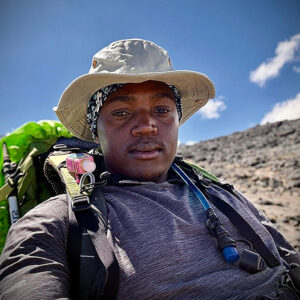
Safari & Guide Specialist
“Let us guide you through the wild—your safari begins with one message.”
The safari exceeded my wildest dreams, thanks to our incredible guide Lameck. Watching lions roam just feet away and witnessing the breathtaking sunset paint the savannah in gold is a memory I’ll treasure forever. I’ve traveled to many extraordinary places, but nothing comes close to the awe-inspiring spectacle of the Great Migration—especially with Lameck’s expert knowledge and passion bringing every moment to life.
Standing in the shadow of Mount Kilimanjaro was an experience that exceeded my wildest dreams. Thanks to our incredible guide Lameck, the journey felt both safe and deeply inspiring. Watching the golden sunrise paint the snow-capped peak in shades of pink and gold is a memory I’ll treasure forever.
I’ve traveled to many extraordinary places around the world, but nothing comes close to the awe-inspiring beauty and sheer presence of Kilimanjaro. With Lameck’s expert knowledge and passion, every step and every view came to life in the most unforgettable way.
Climbing Mount Kilimanjaro exceeded my wildest dreams, thanks to the seamless planning and our outstanding guide Lameck. Every detail — from logistics and acclimatization to daily support — was perfectly organized, allowing me to fully enjoy the journey. With Lameck’s expert guidance and passion, the entire trek felt smooth and stress-free, creating memories I’ll treasure forever beneath Africa’s highest peak.




Discover breathtaking landscapes of unparalleled splendor, rare and majestic wildlife, and create stories of timeless allure worth sharing
Safari & Guide Specialist
“Let us guide you through the wild—your safari begins with one message.”