Your Ultimate Luxury Safari Experience
100% transparent pricing
Local Tour Operator
Sustainable & responsible safaris
Fully flexible refund & cancellation policies
Altitude Sickness, the "Toilet Question," and Why "Pole Pole" Is Essential
Altitude sickness (Acute Mountain Sickness – AMS) is the biggest challenge on Kilimanjaro — not steepness or fitness. Understanding how to recognize, prevent, and manage it is critical for a safe and successful climb.
AMS occurs when your body cannot adapt quickly enough to the reduced oxygen levels at high altitude. It can affect anyone, regardless of age or fitness level. Symptoms usually begin above 2,500m and become more common above 3,500m.
These require immediate descent and medical attention.
“Pole pole” (Swahili for “slowly slowly”) is the most important rule on Kilimanjaro. Climbing too fast is the leading cause of altitude sickness and failed summits.
Many climbers worry about using the toilet on the mountain. Here’s the honest reality:
Our crew handles all waste responsibly in accordance with park regulations. You will never have to worry about privacy or hygiene on our climbs.
Our guides are trained to monitor every climber daily. If symptoms appear, we will:
Your safety is always more important than reaching the summit.
Pole pole • Stay hydrated • Eat well • Consider Diamox
Daily health checks • Pulse oximeter • Experienced guides
Oxygen on site • Immediate descent if needed • Your safety first
Altitude sickness is the number one reason people fail to summit Kilimanjaro — not lack of fitness. The routes with the best acclimatization (especially




Discover breathtaking landscapes of unparalleled splendor, rare and majestic wildlife, and create stories of timeless allure worth sharing
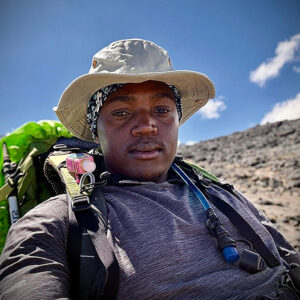
Safari & Guide Specialist
“Let us guide you through the wild—your safari begins with one message.”
The safari exceeded my wildest dreams, thanks to our incredible guide Lameck. Watching lions roam just feet away and witnessing the breathtaking sunset paint the savannah in gold is a memory I’ll treasure forever. I’ve traveled to many extraordinary places, but nothing comes close to the awe-inspiring spectacle of the Great Migration—especially with Lameck’s expert knowledge and passion bringing every moment to life.
Standing in the shadow of Mount Kilimanjaro was an experience that exceeded my wildest dreams. Thanks to our incredible guide Lameck, the journey felt both safe and deeply inspiring. Watching the golden sunrise paint the snow-capped peak in shades of pink and gold is a memory I’ll treasure forever.
I’ve traveled to many extraordinary places around the world, but nothing comes close to the awe-inspiring beauty and sheer presence of Kilimanjaro. With Lameck’s expert knowledge and passion, every step and every view came to life in the most unforgettable way.
Climbing Mount Kilimanjaro exceeded my wildest dreams, thanks to the seamless planning and our outstanding guide Lameck. Every detail — from logistics and acclimatization to daily support — was perfectly organized, allowing me to fully enjoy the journey. With Lameck’s expert guidance and passion, the entire trek felt smooth and stress-free, creating memories I’ll treasure forever beneath Africa’s highest peak.


Discover breathtaking landscapes of unparalleled splendor, rare and majestic wildlife, and create stories of timeless allure worth sharing
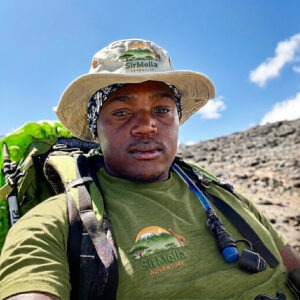
Safari & Guide Specialist
“Let us guide you through the wild—your safari begins with one message.”