Your Ultimate Luxury Safari Experience
100% transparent pricing
Local Tour Operator
Sustainable & responsible safaris
Fully flexible refund & cancellation policies
Traveling to Tanzania is safe and straightforward with the right preparation. Whether you are heading on a wildlife safari or climbing Mount Kilimanjaro, understanding health requirements, vaccinations, and physical fitness expectations is essential for a smooth and enjoyable experience.
This guide covers everything you need to know: mandatory vaccines, malaria prevention, and realistic fitness guidelines for both safari travelers and climbers.
Yellow Fever vaccination is not required for all travelers, but it becomes mandatory if you are arriving from or transiting through a country with risk of Yellow Fever transmission.
If traveling directly from Europe, USA, or most parts of Asia, it is usually not required. However, regulations can change and some airlines may still request proof. Best practice: Carry your Yellow Fever certificate if you have one.
These vaccines should ideally be taken 4–8 weeks before travel.
Malaria is present in most safari areas including Serengeti, Ngorongoro, Tarangire, Zanzibar, and coastal regions. Risk is very low on Mount Kilimanjaro above 1,800 meters.
1. Antimalarial Medication
Consult your doctor about Atovaquone/proguanil, Doxycycline, or Mefloquine.
2. Bite Prevention
Use DEET repellent, wear long sleeves in the evening, and sleep under mosquito nets.
A safari in Tanzania does not require high physical fitness. Long game drives, getting in and out of vehicles, and light walking around lodges are the main activities.
Recommended for: Families • Older travelers • First-time visitors
Climbing Mount Kilimanjaro is a non-technical trek, but it is physically demanding due to high altitude (5,895m). The main challenge is altitude, not technical climbing.
You should be able to:
Recommended Training (6–8 weeks before):
Yellow Fever: Only required in specific cases
Hepatitis A, Typhoid, Tetanus: Strongly recommended
Present in most safari areas
Prevent with medication + mosquito protection
Easy to moderate
Suitable for most travelers
Moderate to high endurance required
Altitude is the main challenge
Health preparation is often overlooked, but it plays a major role in the overall quality of your Tanzania experience. Safaris are accessible to nearly all travelers, while Kilimanjaro requires commitment, preparation, and respect for altitude. With the right vaccinations, malaria precautions, and fitness planning, you can focus fully on the adventure — whether that’s watching lions on the Serengeti plains or standing on the roof of Africa.





Discover breathtaking landscapes of unparalleled splendor, rare and majestic wildlife, and create stories of timeless allure worth sharing
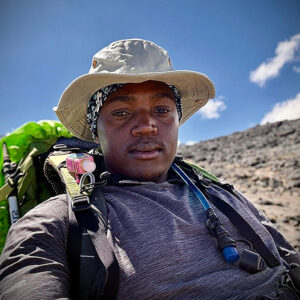
Safari & Guide Specialist
“Let us guide you through the wild—your safari begins with one message.”
The safari exceeded my wildest dreams, thanks to our incredible guide Lameck. Watching lions roam just feet away and witnessing the breathtaking sunset paint the savannah in gold is a memory I’ll treasure forever. I’ve traveled to many extraordinary places, but nothing comes close to the awe-inspiring spectacle of the Great Migration—especially with Lameck’s expert knowledge and passion bringing every moment to life.
Standing in the shadow of Mount Kilimanjaro was an experience that exceeded my wildest dreams. Thanks to our incredible guide Lameck, the journey felt both safe and deeply inspiring. Watching the golden sunrise paint the snow-capped peak in shades of pink and gold is a memory I’ll treasure forever.
I’ve traveled to many extraordinary places around the world, but nothing comes close to the awe-inspiring beauty and sheer presence of Kilimanjaro. With Lameck’s expert knowledge and passion, every step and every view came to life in the most unforgettable way.
Climbing Mount Kilimanjaro exceeded my wildest dreams, thanks to the seamless planning and our outstanding guide Lameck. Every detail — from logistics and acclimatization to daily support — was perfectly organized, allowing me to fully enjoy the journey. With Lameck’s expert guidance and passion, the entire trek felt smooth and stress-free, creating memories I’ll treasure forever beneath Africa’s highest peak.


Discover breathtaking landscapes of unparalleled splendor, rare and majestic wildlife, and create stories of timeless allure worth sharing
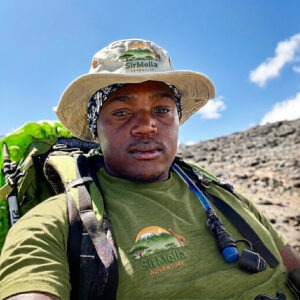
Safari & Guide Specialist
“Let us guide you through the wild—your safari begins with one message.”