Your Ultimate Luxury Safari Experience
100% transparent pricing
Local Tour Operator
Sustainable & responsible safaris
Fully flexible refund & cancellation policies
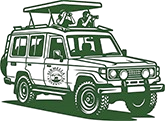
One of the most important parts of planning a Tanzania trip is understanding that Kilimanjaro and safari experiences are completely different lifestyles. Many travelers combine both, but arrive with mismatched expectations regarding comfort and daily routines.
This guide gives a clear, honest comparison so your expectations are aligned — and your experience is better because of it.
You will spend multiple nights in high-quality expedition tents (usually shared by 2 people). Foam or inflatable mats are provided, along with a dining tent and portable toilet on premium climbs.
Reality: This is structured wilderness living — not luxury, but well-supported by a professional crew.
Accommodations range from comfortable to ultra-luxury with private rooms, en-suite bathrooms (hot showers), comfortable beds, and excellent hospitality. Even tented camps offer hotel-level comfort close to nature.
Reality: You will experience comfort, privacy, and high service even in remote parks.
Early wake-up, 4–7 hours of trekking, meals prepared by the crew, afternoon rest, and early dinner. Summit night starts around midnight with a long, cold ascent in darkness. Focus is on progress, acclimatization, and energy conservation.
Early morning game drive, breakfast, midday relaxation at camp, afternoon or evening game drive, dinner and leisure time. Focus is on wildlife viewing, photography, relaxation, and enjoyment.
Comfort level: Functional and minimal, but well-supported
Comfort level: Ranges from mid-range to luxury
Kilimanjaro: Nutritious meals prepared by the mountain cook in basic conditions.
Safari: Multi-course dining, bush breakfasts, and excellent dietary accommodation.
Kilimanjaro: Active travelers, adventure seekers, and those seeking personal challenge.
Safari: All types of travelers, families, couples, and first-time visitors to Africa.
Camping in tents • Physically demanding • Cold and basic conditions • Structured daily routine
Lodges or luxury tented camps • Comfortable and relaxed • Warm, scenic environments • Flexible daily schedule
Understanding the difference between Kilimanjaro life and safari life is essential to enjoying both. On the mountain, simplicity, endurance, and teamwork define the experience. On safari, comfort, wildlife, and service take center stage. When you approach each with the right expectations, you don’t compare them — you appreciate them for what they are: two completely different, equally unforgettable journeys in Tanzania.





Discover breathtaking landscapes of unparalleled splendor, rare and majestic wildlife, and create stories of timeless allure worth sharing
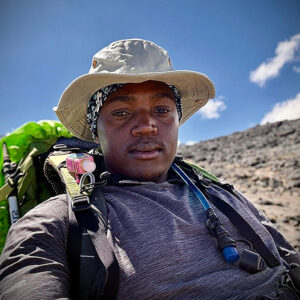
Safari & Guide Specialist
“Let us guide you through the wild—your safari begins with one message.”
The safari exceeded my wildest dreams, thanks to our incredible guide Lameck. Watching lions roam just feet away and witnessing the breathtaking sunset paint the savannah in gold is a memory I’ll treasure forever. I’ve traveled to many extraordinary places, but nothing comes close to the awe-inspiring spectacle of the Great Migration—especially with Lameck’s expert knowledge and passion bringing every moment to life.
Standing in the shadow of Mount Kilimanjaro was an experience that exceeded my wildest dreams. Thanks to our incredible guide Lameck, the journey felt both safe and deeply inspiring. Watching the golden sunrise paint the snow-capped peak in shades of pink and gold is a memory I’ll treasure forever.
I’ve traveled to many extraordinary places around the world, but nothing comes close to the awe-inspiring beauty and sheer presence of Kilimanjaro. With Lameck’s expert knowledge and passion, every step and every view came to life in the most unforgettable way.
Climbing Mount Kilimanjaro exceeded my wildest dreams, thanks to the seamless planning and our outstanding guide Lameck. Every detail — from logistics and acclimatization to daily support — was perfectly organized, allowing me to fully enjoy the journey. With Lameck’s expert guidance and passion, the entire trek felt smooth and stress-free, creating memories I’ll treasure forever beneath Africa’s highest peak.




Discover breathtaking landscapes of unparalleled splendor, rare and majestic wildlife, and create stories of timeless allure worth sharing
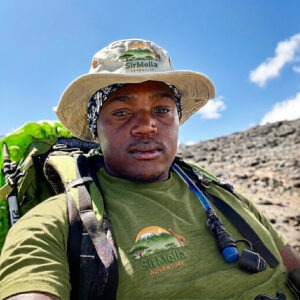
Safari & Guide Specialist
“Let us guide you through the wild—your safari begins with one message.”