Your Ultimate Luxury Safari Experience
100% transparent pricing
Local Tour Operator
Sustainable & responsible safaris
Fully flexible refund & cancellation policies
A journey through Tanzania is more than a holiday — it is a shared experience with people, wildlife, and fragile ecosystems. Responsible travel ensures that your safari or Kilimanjaro climb delivers unforgettable memories while positively impacting local communities and preserving the environment.
This guide outlines our commitment to ethical practices, with a strong focus on porter welfare on Mount Kilimanjaro and wildlife conservation etiquette on safari.
We believe responsible tourism is built on three pillars:
The Kilimanjaro Porters Assistance Project (KPAP) is an independent organization that monitors and promotes fair treatment of porters on Mount Kilimanjaro.
Choosing a responsible operator protects the well-being of local workers, improves climb safety, and supports the long-term sustainability of Kilimanjaro tourism.
Responsible tourism is a shared effort. As a traveler, you can choose ethical operators, follow conservation guidelines, treat staff and communities with respect, and travel with awareness and intention.
Fair wages • Proper equipment • Safe load limits • KPAP-aligned practices
Respect animal space • Stay on tracks • No feeding • Follow guide instructions
Reduce waste • Leave No Trace • Support local communities
Responsible travel in Tanzania is not complicated — but it is essential. On Kilimanjaro, ethical practices ensure that the people who make your climb possible are treated fairly and safely. On safari, your behavior directly impacts wildlife and fragile ecosystems. When done right, your journey becomes more than an experience — it becomes a positive contribution to Tanzania’s people, wildlife, and future.



Discover breathtaking landscapes of unparalleled splendor, rare and majestic wildlife, and create stories of timeless allure worth sharing
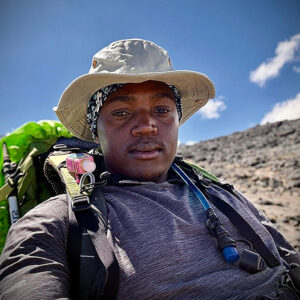
Safari & Guide Specialist
“Let us guide you through the wild—your safari begins with one message.”
The safari exceeded my wildest dreams, thanks to our incredible guide Lameck. Watching lions roam just feet away and witnessing the breathtaking sunset paint the savannah in gold is a memory I’ll treasure forever. I’ve traveled to many extraordinary places, but nothing comes close to the awe-inspiring spectacle of the Great Migration—especially with Lameck’s expert knowledge and passion bringing every moment to life.
Standing in the shadow of Mount Kilimanjaro was an experience that exceeded my wildest dreams. Thanks to our incredible guide Lameck, the journey felt both safe and deeply inspiring. Watching the golden sunrise paint the snow-capped peak in shades of pink and gold is a memory I’ll treasure forever.
I’ve traveled to many extraordinary places around the world, but nothing comes close to the awe-inspiring beauty and sheer presence of Kilimanjaro. With Lameck’s expert knowledge and passion, every step and every view came to life in the most unforgettable way.
Climbing Mount Kilimanjaro exceeded my wildest dreams, thanks to the seamless planning and our outstanding guide Lameck. Every detail — from logistics and acclimatization to daily support — was perfectly organized, allowing me to fully enjoy the journey. With Lameck’s expert guidance and passion, the entire trek felt smooth and stress-free, creating memories I’ll treasure forever beneath Africa’s highest peak.



Discover breathtaking landscapes of unparalleled splendor, rare and majestic wildlife, and create stories of timeless allure worth sharing
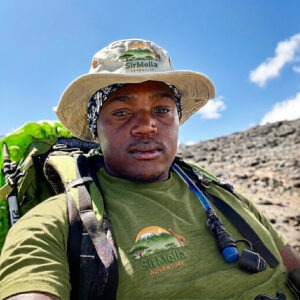
Safari & Guide Specialist
“Let us guide you through the wild—your safari begins with one message.”